

Exploring the Cultural Tapestry of Gambling Traditions Worldwide
The Origins of Gambling and Its Cultural Significance
Gambling has a rich and storied history that transcends cultures and continents. Archaeological evidence suggests that the practice dates back to ancient civilizations, including the Chinese, Egyptians, and Greeks. These early forms of gambling often revolved around games of chance that were integrated into social and religious rituals. For instance, dice games in ancient China were not merely recreational; they were associated with divination and played a crucial role in community gatherings. As players explore options like deespin-australia.com, they’re engaging in a modern interpretation of these age-old traditions.
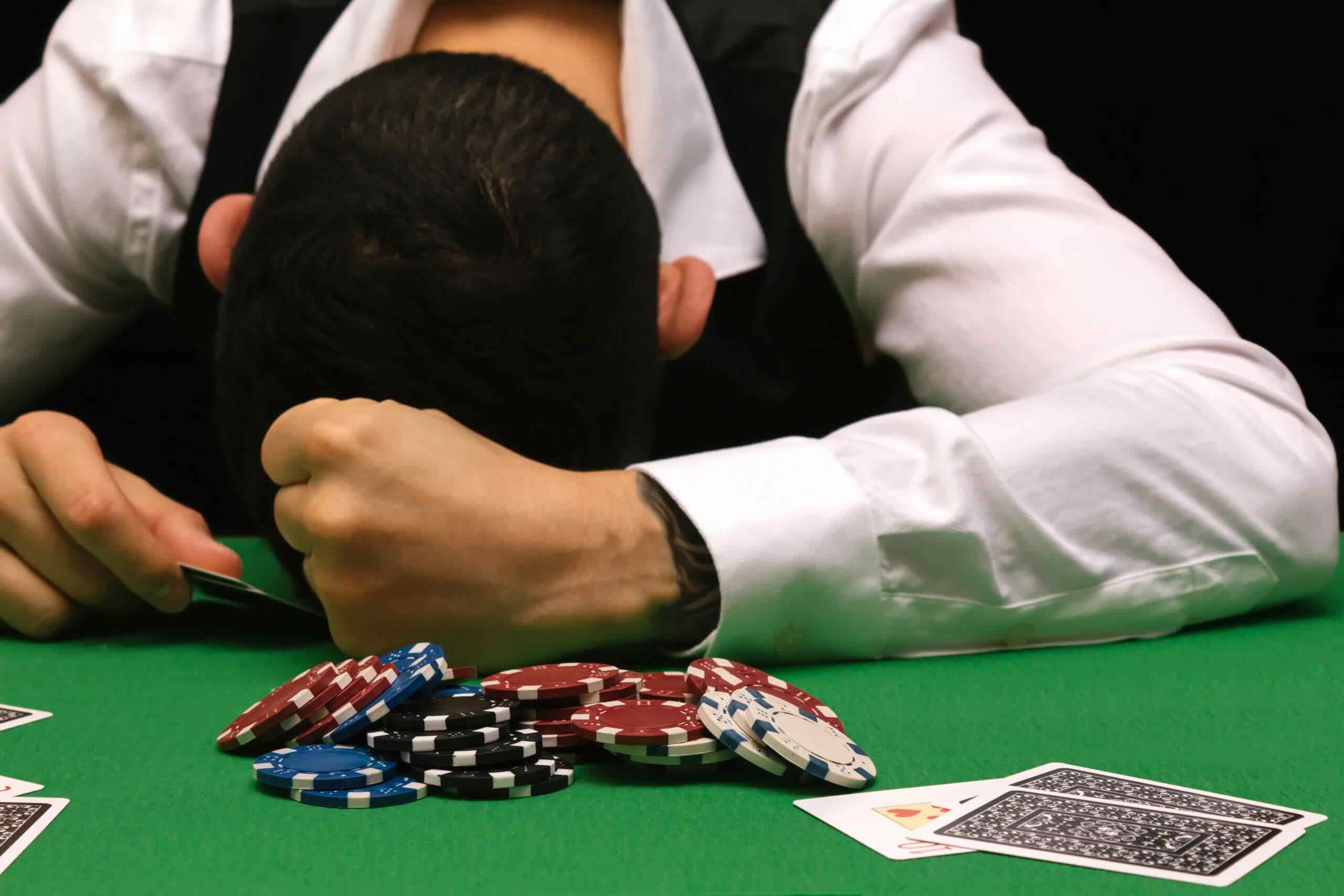
The cultural significance of gambling can be seen in how different societies have woven it into their fabric. In many Indigenous cultures, traditional gambling games serve as a means of storytelling and connection to ancestors. For instance, in Native American communities, games like stickball are not just competitions but also communal events that foster relationships and cultural pride. Such practices emphasize the deep-rooted significance of gambling as a way to reinforce community bonds and cultural identity.
Furthermore, the transformation of gambling through time reflects changes in societal values and norms. As various cultures encountered each other through trade and exploration, the exchange of gambling practices took place, leading to hybrid games and new rituals. These interactions not only diversified gambling traditions but also highlighted the universal appeal of games of chance, which serve both as entertainment and a reflection of human behavior and psychology.
Diverse Gambling Practices Across the Globe
Across the world, different regions exhibit unique gambling traditions that reflect their cultural values and social structures. In Europe, for instance, gambling is often associated with a sense of sophistication, epitomized by establishments like Monte Carlo’s casinos. These venues are not merely places to wager money; they are social hubs that attract individuals seeking luxury, entertainment, and exclusivity. The elegance of European gambling traditions often involves intricate games like poker, which require strategy and skill, fostering a culture of camaraderie and competition.
In contrast, Asian gambling traditions often emphasize family and community involvement. Countries like Japan and China have rich histories of gambling that intertwine with festivals and communal gatherings. The Chinese game of Mahjong, for instance, is typically played during family reunions and is less about winning money and more about fostering connections. Such games serve to reinforce social ties and cultural continuity while providing a platform for storytelling and shared experiences.
The gambling landscape in Africa is equally diverse, with traditions that often blend gaming with cultural rituals. For example, traditional African dice games can be found in various communities, where they often accompany social gatherings and celebrations. These games are not merely about chance; they also teach valuable lessons about life, fate, and community. Such cultural contexts demonstrate that gambling is more than a pastime; it is a medium through which communities express their identity and values.
The Impact of Technology on Gambling Traditions
The advent of technology has significantly transformed gambling traditions around the world. Online casinos and mobile gaming applications have made gambling more accessible than ever, allowing individuals to engage with their favorite games from the comfort of their homes. This shift has democratized gambling, enabling players from diverse backgrounds to participate. However, it also raises concerns about the erosion of traditional practices and communal aspects of gambling.
In many cultures, the communal aspect of gambling has long been a vital part of the experience. For example, in Italy, the local bingo halls serve not only as places to win money but also as community centers where friendships are forged. The shift towards online gambling poses challenges to these community bonds, as the interactions that once occurred face-to-face are now happening in a virtual environment. This transformation compels societies to find ways to maintain those essential social connections while adapting to new technologies.
Moreover, the integration of technology into gambling has opened avenues for innovative gaming experiences that blend traditional elements with modern designs. For instance, augmented reality casinos allow players to experience the thrill of a physical casino while enjoying the conveniences of online gaming. As this technology continues to evolve, it may also help to revitalize traditional games by making them more appealing to a tech-savvy generation, thus preserving the cultural heritage while allowing for contemporary adaptations.
Responsible Gambling and Cultural Perspectives
As gambling continues to evolve, so too do the discussions surrounding responsible gambling. Different cultures have varied perspectives on gambling and its implications for society. In some cultures, gambling is viewed as a legitimate form of entertainment and a social activity, while in others, it is associated with moral dilemmas and social issues such as addiction. Understanding these perspectives is crucial in creating effective responsible gambling measures that resonate with different communities.
In Australia, for instance, a robust framework for responsible gambling has been developed, emphasizing player protection and community welfare. Initiatives include self-exclusion programs and educational resources that inform players about the risks associated with gambling. This cultural approach underscores the importance of balancing the enjoyment of gambling with measures that safeguard the well-being of individuals and their families.
Conversely, in many Asian cultures, gambling has been steeped in tradition and often viewed as a rite of passage. This cultural acceptance can complicate the conversation around responsible gambling, as social norms may inadvertently encourage excessive participation. Addressing these complexities requires a nuanced understanding of cultural values and a tailored approach that respects traditions while promoting responsible behavior.

Exploring DeeSpin Australia: A Modern Gaming Experience
DeeSpin Australia represents a modern approach to gambling, tailored specifically for Australian players seeking an expansive online gaming experience. With a library of over 2,600 games, including popular slots and live dealer options, DeeSpin combines the thrill of gambling with the convenience of digital access. The platform is designed to cater to both new players and seasoned veterans, providing an engaging environment that reflects contemporary gaming preferences.
Players can take advantage of enticing bonuses, such as a 400% welcome match and 400 free spins, making it an attractive choice for those new to online casinos. DeeSpin aims to create an inclusive atmosphere where players can explore various games and find what suits their interests. The emphasis on user experience is complemented by responsible gambling measures that prioritize player safety, ensuring that gaming remains enjoyable without compromising well-being.
Moreover, with 24/7 customer support, DeeSpin Australia is committed to providing a secure and enjoyable gaming experience. This dedication to fair play and player protection reflects the company’s understanding of the cultural nuances surrounding gambling. By combining innovative technology with a focus on community and safety, DeeSpin stands out as a modern gaming platform that honors the rich traditions of gambling while embracing the future.